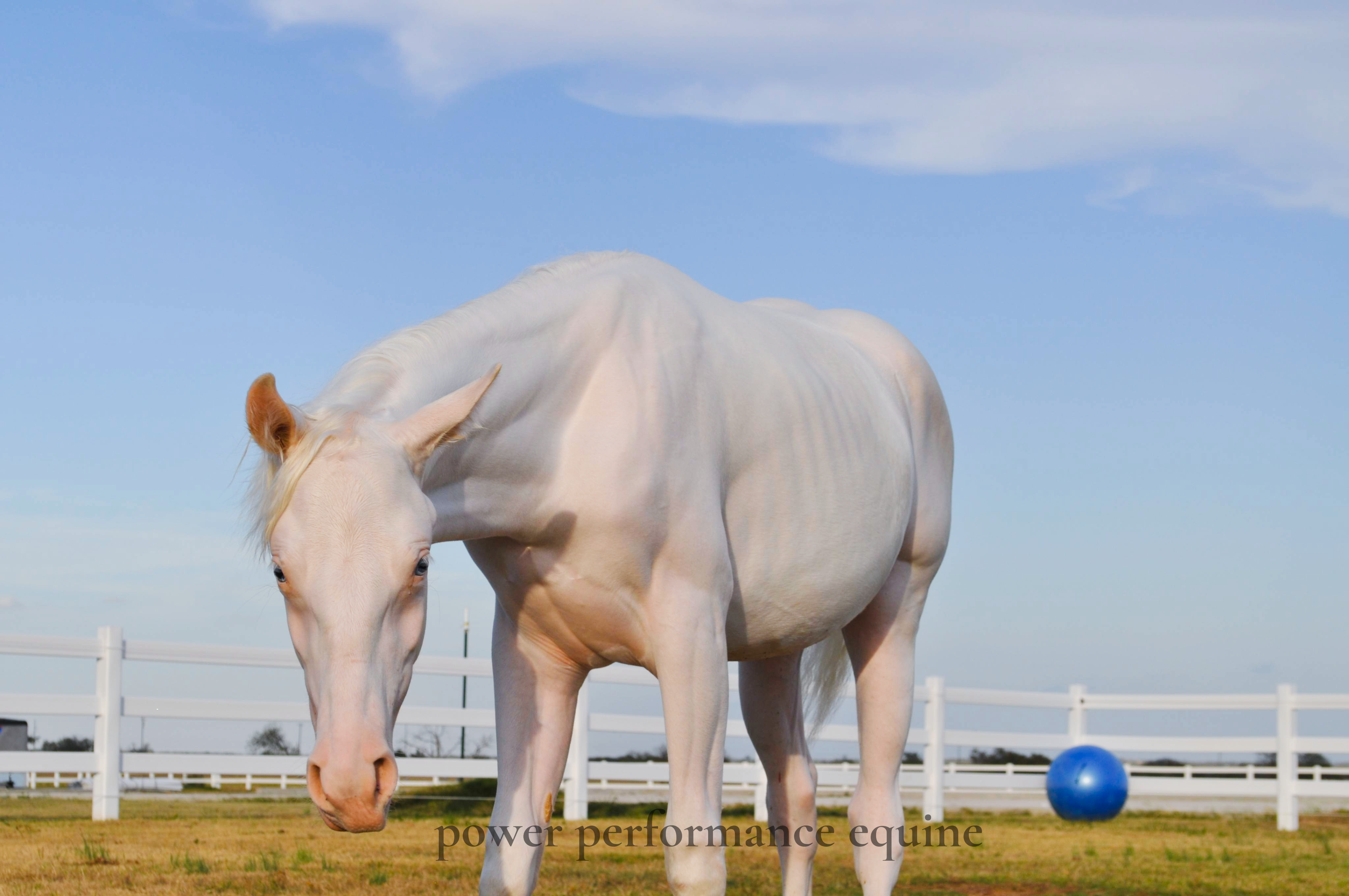
Sun exposure isn’t just a human concern—horses, especially those with pink skin, white markings, or blue eyes, are highly vulnerable to UV damage.
From painful sunburn on the nose to long-term skin issues, proper protection isn’t optional—it’s essential.
Which Horses Are Most at Risk?
Some horses are naturally more sensitive to the sun, including:
- Horses with pink or unpigmented noses
- Bald faces or large white facial markings
- Blue-eyed horses
- Light-colored or thin-coated horses
These horses lack the natural melanin needed to protect against UV rays, making them far more prone to:
- Sunburn
- Peeling and cracking skin
- Irritation and sensitivity
- Increased risk of skin damage over time
SPF for Horses: Protecting the Nose and Sensitive Areas
For exposed areas like the nose, muzzle, and around the eyes, a physical barrier sunscreen is one of the most effective tools.
A popular option among horse owners is
Equiderma Zinc Oxide Paste
Why zinc-based products work:
- Create a physical barrier against UV rays
- Stay visible, so you know where it’s applied
- Tend to last longer than spray-on sunscreens
Best practice:
- Apply daily, especially before turnout
- Focus on pink skin and high-exposure areas
- Reapply if the horse sweats heavily or rubs
UV-Protective Fly Masks: Eye & Face Protection
Fly masks aren’t just for insects—they’re one of the best ways to protect sensitive eyes and facial skin from the sun.
One of the top-performing options:
Horseware Ireland Rambo Fly Mask
Why this style stands out:
- Designed to block a significant percentage of UV rays
- Structured fit keeps fabric off the eyes
- Durable and comfortable for long wear
Ideal for:
- Blue-eyed horses prone to light sensitivity
- Horses in full-day turnout
- Preventing both sun exposure and fly irritation
UV Fly Sheets: Full-Body Protection
For horses with extensive white markings or sensitive skin, UV-protective fly sheets offer another layer of defense.
They help:
- Reduce overall UV exposure
- Prevent coat bleaching and skin irritation
- Keep horses more comfortable during peak sun hours
Look for:
- Lightweight, breathable material
- Verified UV-blocking capability
- Proper fit to avoid rubbing
Management Matters: Go Beyond Products
Sun protection isn’t just about what you put on your horse—it’s also about how you manage their environment.
Helpful strategies:
- Turn out during early morning or evening hours
- Provide shade in turnout areas
- Avoid prolonged exposure during peak UV (midday)
Even small adjustments can significantly reduce cumulative sun damage
Don’t Ignore Early Signs
Watch for:
- Redness or peeling on the nose
- Dry, cracked skin
- Sensitivity to touch
- Increased rubbing or irritation
Catching sunburn early can prevent more serious skin issues down the line.
Final Thoughts
Sun protection is one of the simplest—and most overlooked—ways to improve your horse’s comfort and long-term health.
- Use zinc-based SPF on exposed skin
- Invest in a quality UV fly mask
- Consider fly sheets for full-body protection
- Manage turnout to reduce peak exposure
Because horses with sensitive skin don’t just need care—they need intentional protection.