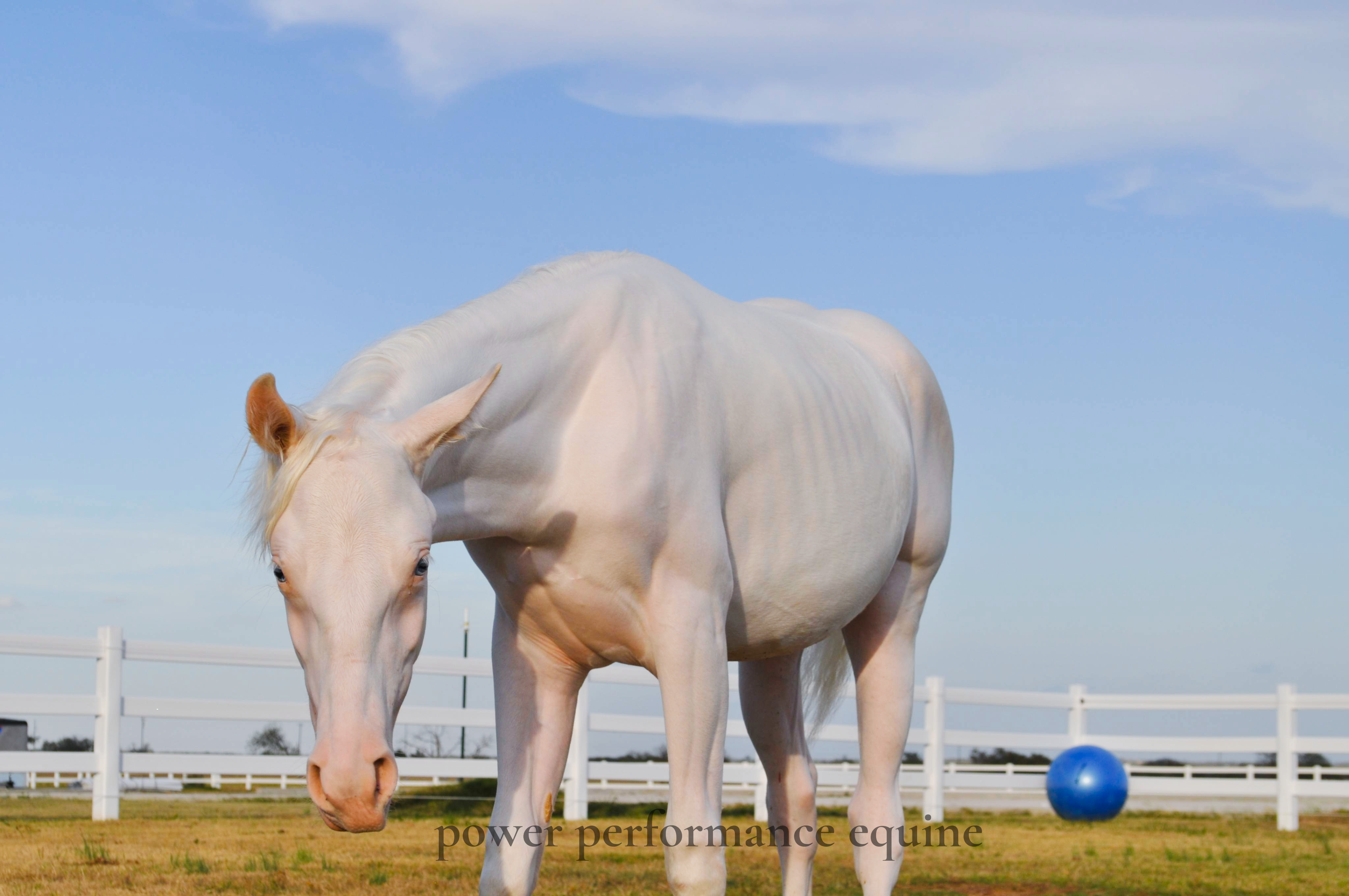
Healthy nutrition is the foundation of any high‑performing horse. Whether you’re riding competitively, working on endurance, or just want your horse to feel strong and energetic every day, what goes into the feed bucket matters. In this guide, we’ll cover critical elements of performance horse nutrition, including supplements, grain selection, salt and electrolytes, omega‑3 balance, and balanced minerals — all optimized for strength, stamina, recovery, and long‑term health.
1. Supplements for Performance Horses — Boost Health, Strength & Stamina
Performance‑oriented horses often need more than forage and grain to meet elevated nutritional demands. Quality supplements can fill gaps that feed alone can’t address, supporting:
- Muscle recovery & strength
- Inflammation control
- Joint and connective tissue health
- Immune and metabolic balance
- Energy availability
While forage and balanced concentrate provide calories and basic nutrients, targeted supplements — especially those formulated for sport horses — help optimize the biological systems stressed during training and competition. For an in‑depth look at which supplements make the biggest difference and why, see our Supplements for Performance Horses post.
2. Grain & Feeding Strategy — How Much & What to Feed
When grain is part of the diet, proper volume and timing make all the difference for performance and digestion.
Feeding Guidelines:
- Feed 2–3 lbs of grain per feeding, twice a day
- Ideal for horses weighing 800–1,100 lbs
Smaller, more frequent meals better mimic grazing behavior, helping maintain steady energy and reducing the risk of digestive upset.
However, what you don’t feed is just as important as what you do feed, which leads us into inflammatory ingredients.
Avoid Grains with Soy, Corn, Wheat & Hulls
Many commercial feeds use inexpensive grains like soy, corn, wheat, and hulls, but these ingredients are problematic for performance horses:
- Highly inflammatory — linked with digestive stress and systemic inflammation
- Low nutrient density — energy without usable nutrition
- Poor fat balance — high in omega‑6 fats, which can promote inflammation
A performance horse should ideally eat low‑inflammatory grains or grain alternatives that support sustained energy without excess starch or sugar.
3. Salt & Electrolytes — Essential for Hydration & Muscle Function
Salt isn’t optional — it’s essential.
Salt Needs
Horses should have free‑choice access to clean, lead‑free salt every day.
A general guideline is ½ to 1 tablespoon per day for an average performance horse.
Electrolytes
During heavy work, especially when sweating, electrolytes are critical:
- Help maintain fluid balance
- Support nerve and muscle function
- Prevent dehydration and heat stress
Electrolyte supplementation is most important when:
✔ Training hard
✔ Competing
✔ Sweating heavily in hot climates
Without adequate electrolytes, performance declines and fatigue sets in sooner.
4. Omega‑3 Balance — A Foundation for Anti‑Inflammatory Health
Omega fats are not all created equal. Horses evolved eating forage rich in omega‑3 fatty acids, but modern feeds often skew too high in omega‑6 fatty acids, which promote inflammation.
Why Omega‑3 Matters:
Omega‑3s support:
- Joint comfort
- Immune balance
- Healthy coat and skin
- Metabolic efficiency
Studies show that diets high in omega‑6 fats (such as corn oil and soy oil) can increase inflammatory markers and reduce performance recovery.
For example, a study published in the Journal of Animal Science found that horses supplemented with omega‑3 fatty acids had lower biomarkers of inflammation compared to those fed high omega‑6 feeds.
The key is to choose clean, stable sources of omega‑3 that are not derived from soy or corn oil — which are high in omega‑6 and can counteract the benefits.
5. Minerals for Performance — Bone, Joint & Connective Tissue Support
Balanced minerals are absolutely critical for:
- Joint cartilage health
- Bone strength
- Hoof quality
- Cellular function
- Electrolyte and fluid regulation
Horses can’t thrive on generic mineral mixes when they’re training or competing — they need formulas tailored to the actual demands placed on joints, connective tissues, and metabolic systems.
That’s where accurately balanced mineral supplements come in. Custom‑formulated blends provide the right ratios of:
- Calcium & phosphorus
- Trace minerals like zinc, copper, manganese
- Biotin and sulfur amino acids for connective tissue
Custom formulations designed for your specific horse and workload are far more effective than one‑size‑fits‑all products, because they correct real deficiencies rather than just adding more random nutrients.
Nutrition for performance horses is a holistic system — not just calories. From the quality of grain and feeding strategy to supplements, salt, electrolytes, omega‑3 balance, and targeted mineral support, each piece contributes to strength, stamina, recovery, and long‑term soundness.
If you’re serious about maximizing your horse’s performance, start with quality forage and build from there with intentional, science‑backed nutrition strategies.