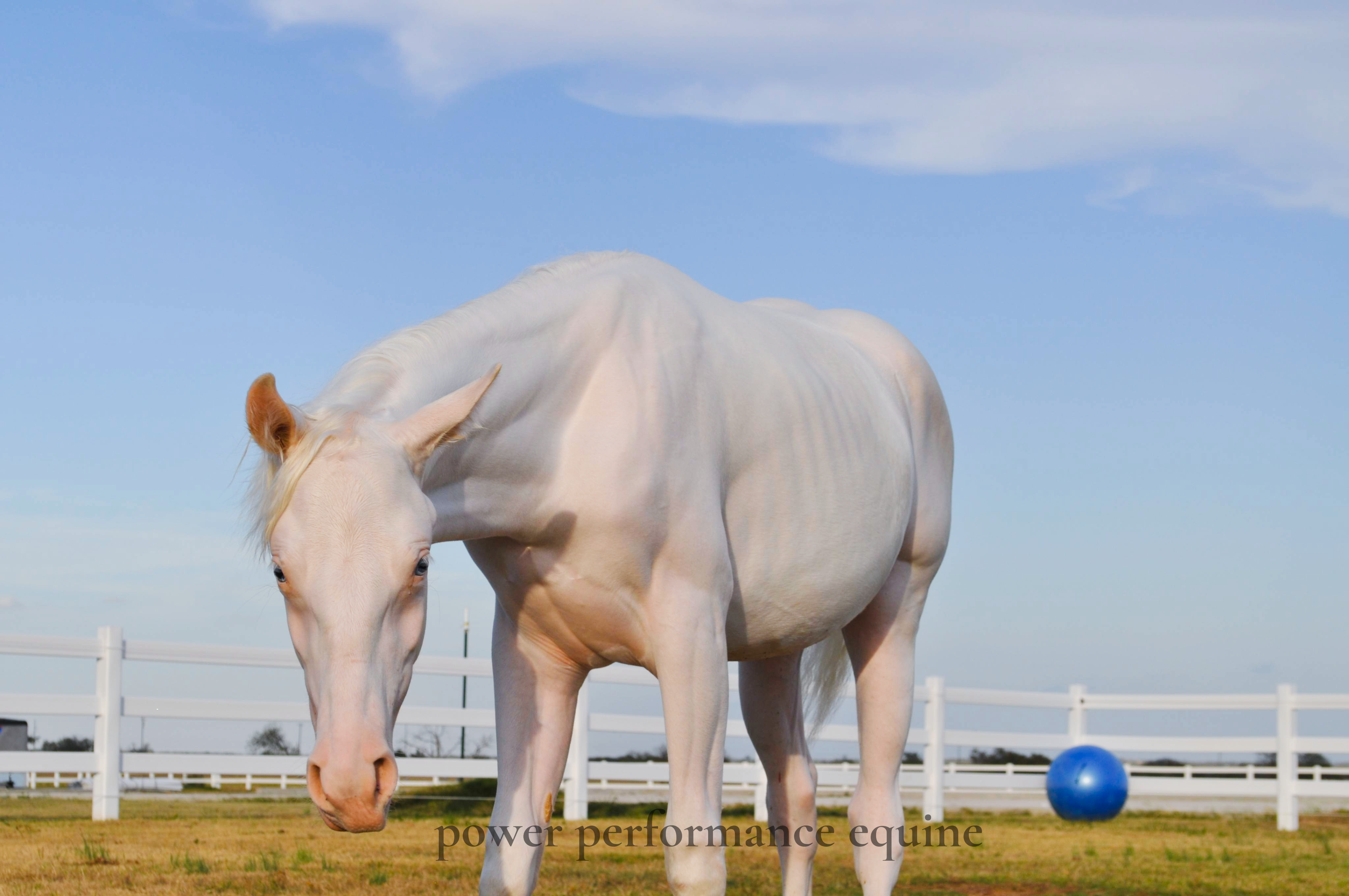
Bathing your horse isn’t just about keeping them clean — it’s about protecting their skin, coat health, and overall comfort. Done correctly, bathing can enhance coat shine, support healthy skin, and make grooming easier. Done incorrectly, it can strip natural oils, dry out the coat, and cause irritation.
This guide covers the basics of when to bathe, how often, and which products work best.
When Is It Warm Enough to Bathe a Horse?
A good rule of thumb is to only bathe your horse when temperatures are at least 58°F (14°C) or warmer.
Horses regulate their body temperature through their coat and skin, and bathing in colder weather can chill them quickly if they aren’t dried properly.
In cooler weather:
- Use a wool or fleece cooler after bathing when temperatures are below 70°F.
- Scrape excess water off with a sweat scraper.
- Allow the cooler to wick moisture away while the horse dries.
In warmer weather:
- Use fans when temperatures reach 75–80°F+ to help dry the coat faster.
- In barns with cooler climates, wall heaters can also help during drying.
How Often Should You Bathe a Horse?
Bathing too frequently can strip the coat of its natural oils.
My personal rule of thumb:
No more than once per week
Over-bathing can lead to:
- Dry skin
- Dull coats
- Itching or irritation
If your horse needs frequent cleaning (shows, training, mud, etc.), use a high-quality conditioner to help replenish moisture and protect the coat.
One product I personally like for restoring natural oils is a coat conditioner from Hairy Pony, which helps prevent dryness and itching after washing.
Before You Start the Bath
Preparation makes the process easier for both you and your horse.
Step 1: Pick the hooves
Always clean out hooves first before bathing to remove packed dirt, rocks, or debris.
Step 2: Apply hoof oil (optional)
Some riders apply hoof cream or oil before bathing to help seal the hoof and prevent excess water absorption.
Step-by-Step Horse Bathing Routine
1. Start with the legs
Always begin by wetting the legs first. This helps your horse gradually adjust to the water temperature.
Use soap and scrub:
- Legs
- Fetlocks
- Pasterns
These areas tend to accumulate the most dirt and bacteria.
2. Wash the body
Apply shampoo and scrub the coat using either:
- Jelly curry comb
- Rubber massage curry
These tools help lift dirt while stimulating circulation in the skin.
Focus on:
- Shoulders
- Barrel
- Hindquarters
3. Mane and tail care
For best results:
- Hand wash the mane and tail
- Apply conditioner
- Leave it in while you finish scrubbing the body
This allows the conditioner time to penetrate and soften the hair.
4. Wash the head carefully
The head should always be washed gently.
Use only a small amount of shampoo, and be mindful to avoid:
- Eyes
- Ears
- Mouth
A soft sponge works best for this area.
Conditioner Matters
Conditioner plays an important role in keeping the coat soft and preventing breakage in the mane and tail.
My current favorites include:
Conditioners I like:
- SILK Natural Protein Conditioner
- Hairy Pony Hair Repair Conditioner
- Hairy Pony Kakadu Plum Hair Repair
- Equiderma Conditioner
These help restore moisture and reduce dryness after shampooing.
Detangling the Mane & Tail
After rinsing out conditioner, gently detangle the mane and tail.
My current detangler picks:
Or you can make your own DIY mane and tail detangler using simple ingredients.
Finishing Touches: Hoof Care
Once the horse is dry, hoof care can be applied.
Hoof creams help maintain moisture balance and protect the hoof wall.
My current favorites include:
- Corona Hoof Dressing
- Old Timers Hoof Dressing (strong scent but very effective)
- Silver Hoof EQ Therapy® by Draw It Out®
Choosing the Right Shampoo
Not all shampoos are created equal. Many grooming products contain harsh or toxic ingredients that can irritate your horse’s skin.
Some ingredients to watch for include:
- Sulfates
- Parabens
- PEG compounds
- Synthetic fragrances
- Formaldehyde-releasing preservatives
(Hazardous Grooming Ingredient Guide here)
My Current Favorite Horse Shampoos
These are shampoos I personally like using:
Top Picks:
- Espana Silk Natural Protein Shampoo
- Hairy Pony Natural Shampoo
- Equiderma Shampoo
- Ecolicious Citrus Shampoo
All provide effective cleansing without overly stripping the coat.
Quick Bathing Checklist
Before you bathe your horse:
✔ Temperature above 58°F
✔ Pick hooves first
✔ Apply hoof oil (optional)
✔ Start with legs
✔ Use curry comb for body
✔ Hand wash mane and tail
✔ Avoid eyes, ears, mouth
✔ Use conditioner
✔ Apply cooler in cooler weather
✔ Use fans or heaters if needed
Final Thoughts
Bathing should support your horse’s coat health, skin balance, and comfort, not strip it of natural oils. By choosing quality products, bathing at the right temperature, and following a consistent routine, you can keep your horse clean while maintaining a healthy, shiny coat.
And remember — sometimes the best grooming solutions are simple and natural, especially when it comes to mane and tail care.